Myeongdong, the heart of Seoul tourism, is a paradise for street food. Wondering “What should I eat in Myeongdong?”, “Where are the food stalls?”, or “How much should I budget?” This guide covers everything from must-try dishes to stall locations and budgets — perfect for anyone visiting Myeongdong on a Korea trip or K-pop fan pilgrimage.
What is Myeongdong food? An intro to the area
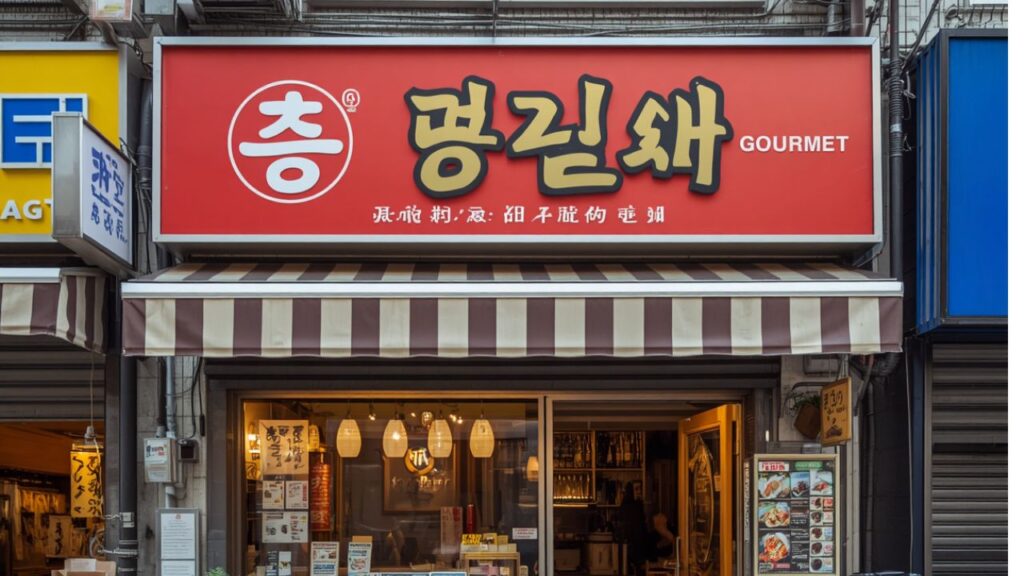
For first-time visitors to Korea, here’s a quick overview of the area. Myeongdong is Seoul’s premier shopping and food district. Lined with cosmetics shops and fashion buildings, it’s a must-stop for tourists — and once evening falls, food stalls line the main street and the area transforms into a street-food haven.
The appeal of Myeongdong food is that you can sample Korea’s classic dishes all in one place. From staple B-grade street food like tteokbokki and odeng (fish cake) to the latest trendy desserts, you can enjoy a little of everything as you walk. Sit-down restaurant meals and grab-and-go stalls are both within walking distance — that combination is uniquely Myeongdong. Whether you want a quick bite while shopping or a full evening of street-food grazing, it’s the most beginner-friendly area for tourists. Many shops also have some Japanese/English support, with photo menus, so ordering isn’t intimidating even if you don’t speak Korean.
Must-try Myeongdong food: stalls and restaurants
To answer “What should I eat?”, here are the classics. It helps to split Myeongdong food into two: “street-stall grazing” and “sit-down restaurant meals.”
| Type | Representative dishes |
|---|---|
| Classic street food | Tteokbokki, Korean fish cake (odeng), gimbap, japchae, egg bread |
| Instagrammable dessert stalls | Tanghulu (candied fruit), churros, souffle pancakes, frozen s’mores |
| Sit-down restaurants | Kalguksu and mandu at the Michelin regular “Myeongdong Kyoja,” gamjatang |
| Chicken Alley | Korean fried chicken hotspots like bhc Chicken and Pelicana |
For first-timers, start with the classic combo of tteokbokki (sweet-spicy rice cakes) and odeng — staples that deliver the Korean flavor in one easy bite. If you have a sweet tooth, go for the photogenic tanghulu or souffle pancakes. For a proper sit-down meal, the kalguksu (Korean knife-cut noodles) at Michelin-listed “Myeongdong Kyoja” or the fried chicken on Chicken Alley are deeply satisfying. Rather than settling at one spot, the smart way to enjoy Myeongdong is to graze lightly at the stalls and then have one solid meal at a restaurant.
Let me describe the staples in a bit more detail. Tteokbokki is chewy rice cake coated in sweet-spicy gochujang sauce — a poster child of Korean street food. If you’re not into spice, the warm broth of Korean fish cake (odeng) is just right between bites. For something more filling, try gimbap (Korean seaweed rolls) or japchae (stir-fried glass noodles); for a light snack, egg bread. Lately, “Instagrammable” evolved stalls — lobster grills, Oreo churros — keep multiplying, so it’s fun just to walk around taking photos.
Stall locations, hours, and budget
Here’s the practical info for planning your food crawl. Myeongdong’s stalls cluster mainly in two spots: the Myeongdong main street running from Exit 6 of Myeongdong Station (Subway Line 4), and the street leading from the Myeongdong Underground Shopping Center toward Myeongdong Cathedral. The nearest station is Myeongdong, and you’ll reach the stalls right after exiting.
As for hours, most stalls open in the evening, so if street food is your goal, visit after dusk. In the morning, truck stalls selling toast also appear, so the available menu changes by time of day. As a budget guide, figure roughly 10,000–20,000 won per adult (about 1,000–2,000 yen / 7–15 USD) for a food crawl. Since you can hop between stalls starting from small amounts, it’s easy to adjust to your budget. Prices and which stalls are open vary by season, so confirm on site (info as of June 2026).
A few practical tips for a smooth food crawl. For payment, many stalls take cash, though cards and payment apps are increasingly accepted — keep some small won on hand to be safe. For etiquette, simple trash bins are usually placed near stalls, so dispose of skewers and cups in the designated spots. During busy hours, step to the side of a stall to eat so you don’t block the walkway. And the golden rule: eat small amounts across multiple stalls. If you fill up at one, you can’t try the other specialties — sharing with friends lets you taste more with limited stomach space.
For K-pop fans adding it to a Seoul pilgrimage
Myeongdong is also a must for K-pop fans on a fan trip. Many visit for cosmetics shopping or pop-ups, and being able to refuel with food in between is a big plus. Lots of fans grab a quick bite at the stalls before or after long transfers or concerts. Since Myeongdong is also packed with cosmetics shops, you can enjoy food and shopping together.
To check Korean cosmetics, see our guide on recommended Korean skincare brands; for wellness souvenirs, the OLIVE BETTER guide is handy too. If you want to keep eating late into the night, pair this with the late-night food map for the Hongdae area to plan your Seoul food pilgrimage.
Summary: Myeongdong, the go-to for street food and dining
Myeongdong is the center of Seoul tourism, where you can enjoy Korean food from street-stall grazing to full restaurant meals all in one place. Start with the classic tteokbokki-and-odeng stalls, then branch out to Instagrammable desserts, Myeongdong Kyoja, and Chicken Alley. Stalls gather near Exit 6 of Myeongdong Station, open in the evening, with a budget of about 1,000–2,000 yen per person. Combined with shopping or fan activities, Myeongdong alone can fill a whole day. Use this for your next Seoul trip food plan (info as of June 2026).
Sources: KONEST, “Myeongdong street food crawl 2026”, Trip.com, “Korea Myeongdong food 2026” (retrieved 2026-06-22)